
The Role of Visuals in Casino Design
Visual elements play a pivotal role in creating an immersive atmosphere within casinos. Bright lights, engaging colors, and elaborate graphics are meticulously chosen to attract guests and maintain their attention. The combination of vibrant hues and flashing visuals can evoke feelings of excitement and exhilaration, which align with the overall gambling experience, especially at a fast withdrawal casino uk where players can enjoy their wins without delay. These visual cues help establish an emotional connection between the player and the environment, compelling them to engage with the games and venues.
The placement of slot machines and table games is also influenced by visual strategy. For instance, casinos often employ an open layout that allows for an unobstructed view of various gaming areas. This design tactic encourages players to explore the space, increasing the likelihood that they will try different games or spend more time in the casino. Moreover, the use of engaging visual displays, such as screens showing game statistics or highlights, provides continuous stimulation that keeps players invested in their gaming experience.
Additionally, the strategic use of signage directs patrons throughout the facility. Signs indicating gaming areas or amenities like bars and restaurants are not only practical but also crafted to entice players further into the casino. This design aspect ensures that guests remain engaged and curious, enhancing their overall experience while subtly influencing their behavior. Ultimately, visuals serve as the first layer of interaction between the player and the casino environment, setting the stage for deeper psychological engagement.
Soundscapes and Their Impact on Gambling Behavior
Sound design in casinos is another crucial element that can significantly impact player behavior and emotional response. The auditory atmosphere is often a carefully orchestrated mix of sounds that includes the jingling of coins, celebratory music from big wins, and the ambient chatter of fellow patrons. These sounds create a lively and energetic environment that can trigger excitement and anticipation, making players more likely to continue gambling.
Moreover, the music played within the casino is carefully selected to match the pace of the environment. Faster tempos can create a sense of urgency, encouraging players to increase their spending and keep playing. Conversely, slower tunes might be used in rest areas to help players relax, making them more likely to linger and perhaps return to the gaming floors. This relationship between sound and player engagement is a testament to how vital auditory cues are in shaping the overall casino experience.

Furthermore, the concept of “sonic branding” emerges in casino design. Unique sounds associated with certain games or promotions can become a form of recognition and familiarity for players. Over time, these unique audio signatures can elicit emotional responses that influence decision-making, urging players to engage in familiar games or return to the casino to relive the positive emotions tied to those sounds. Thus, incorporating sound strategically is as significant as using visuals in establishing an engaging casino environment.
The Psychological Effects of Space and Layout
The physical layout of a casino has profound implications for player behavior and social interactions. For example, designers often create a labyrinthine structure that encourages exploration, prompting guests to navigate through various areas and discover new games. This spatial design keeps players engaged longer and increases the likelihood of them trying out different gaming options. The layout is not only about maximizing space but also about crafting an experience that feels organic and inviting.
Moreover, the placement of high-stakes and low-stakes games reflects psychological positioning aimed at both attracting and retaining players. By positioning high-stakes areas in proximity to more casual games, casinos effectively create an aspirational environment where less experienced players feel drawn to the excitement of higher bets. This area invites curiosity and motivates players to stretch their budgets for a chance to participate in a more thrilling experience.
Furthermore, the use of “gambling zones” helps facilitate social interaction among players. Designated areas for group games foster camaraderie, drawing players together and enhancing their enjoyment. In these zones, individuals may feel more confident engaging with others while participating in shared experiences, deepening their connection to the environment and the games themselves. This emphasis on layout and design underscores a fundamental understanding of human psychology within the gambling context.
The Utilization of Incentives and Rewards
Incentives and reward systems are vital components of casino design, strategically implemented to encourage continued play and foster loyalty. Casinos often utilize loyalty programs that grant players points for their gaming activity, enticing them to return for additional rewards. This system taps into psychological principles such as reinforcement, where the prospect of receiving rewards motivates players to engage more frequently and increasingly with the casino’s offerings.
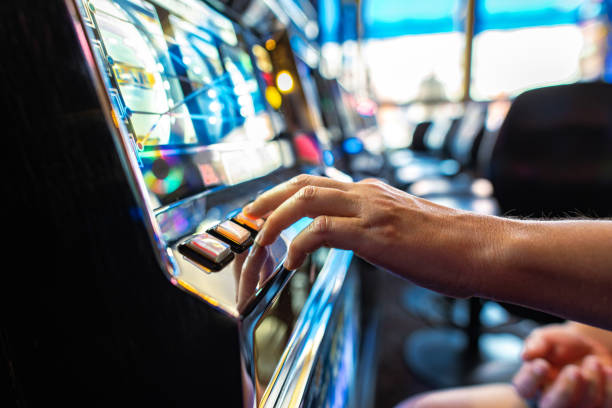
Moreover, the way these rewards are presented to players can significantly influence their behavior. For instance, bonuses or complimentary services, such as free drinks or meals, can create a sense of entitlement among players, making them less likely to leave the casino. The anticipation of receiving such rewards adds an exciting layer to the gambling experience, supporting the idea that players are continuously gaining value from their time spent within the facility.
Additionally, casinos often employ tiered reward structures that give players a sense of achievement as they climb levels based on their spending. This tiered system appeals to players’ competitive instincts and encourages them to chase further rewards. By fostering a sense of progression, casinos keep players engaged, as they desire not only to enjoy the games but also to attain greater recognition and rewards within the casino environment.
Online Presence and the Evolution of Casino Design
As technology continues to evolve, so does the design of casinos, especially with the rise of online gambling platforms. Although physical casinos have unique design principles, the digital realm introduces new psychological strategies that affect user experience. Online casinos utilize sophisticated graphics, engaging animations, and interactive elements that mimic the sensory stimulation of physical casinos, capturing the essence of the gambling experience.
The layout of virtual casinos is crafted to maximize user engagement. With well-structured interfaces, online platforms ensure players navigate seamlessly through games, promotions, and social features. This digital navigation is designed to evoke the same feelings of excitement and exploration found in traditional casinos. For instance, on mobile platforms, the layout often prioritizes elements that enhance user interaction, creating an immersive experience even without a physical environment.
Furthermore, online casinos adapt the concepts of sound design and reward systems to maintain player interest and loyalty. With notifications of bonuses or achievements delivered instantly and personalized offers based on player behavior, online platforms create a customized experience that keeps users returning. As the lines between virtual and physical gambling continue to blur, the psychological principles underlying casino design remain relevant, ensuring that user experience remains at the forefront of this evolving industry.